I first posted this blog following my visits to Bosnia in 2014.
=.=.=.=.=.=.=.=.=.=.=.=.=.=.=.=.=.=.=.=.=.=.=.=.=.=.=.=.=.=
According to the Bosnia and Herzegovina tourist board, Bosnia “is one of the last undiscovered regions of the southern Alps. Vast tracks of wild and untouched nature make it an ideal holiday destination for adventurers and nature lovers alike. The central Dinaric Alps are a hikers and walkers paradise. Enchanted by both Mediterranean and Alpine climates, the range of diverse landscapes will stun and amaze you”.
Tourist boards have a habit of inflating reality in a bid to encourage visitors to their part of the world. On this occasion I can say the description is very much understated. The country is stunning. Everywhere you turn you see mountains, trees and lush greenery – hard to comprehend how a land of such exquisite geography could have experienced such gruesome horrors only 28 years ago. In Europe. A short three hours flight from London.
But that is the reality of Bosnia. Those of us of a certain age will never forget the scenes unfolding on our TV scenes as the worst genocide since World War II unfolded before our very eyes. And we sat, helpless, unable to protect the innocent men and boys being slaughtered, the estimated 20-50,000 girls and women being raped and families being torn apart and displaced in a war that would be a reminder of how ineffective we are as a human race. A genocide that took place in a region despite it being declared a safe haven by the United Nations. Over 8372 slaughtered in the fields, farms, school buildings, and warehouses in Srebrenica. Sons torn away from their mothers arms, fathers and sons separated, boys watching their school friends being gunned down whilst trying to escape – these are images that many who survived the atrocity still see every time they close they eyes. But the hardest thing for the women to bear is the burden they carry of not knowing what really happened to their husband, son, father, brother, uncle and nephew. For many, their remains have never been found. Many remains though unearthed are still to be identified. Those that are found and reunited can finally be given a funeral by their loved ones and can be put them to rest. Many families may have only a few bones to bury, but they still fulfil what they see as their religious obligation – to have a proper Muslim funeral, and return the remains of their loved one to their Maker, with dignity.
It was a real priveledge for me to be part of a delegation to visit Bosnia twice as part of the Lessons from Srebrenica visits organised by Remembering Srebrenica in 2014. An opportunity to see and learn first hand about not just the atrocities that unfolded there, but witness the devastation that was left behind and how the Bosnians are still coming to terms with it. As someone who has worked in equality and diversity, inter-faith relations and hate crime initiatives for most of my life it is very hard to comprehend how such hate can exist in anyone to the extent they want to see the elimination of an entire race.
Lessons from Srebrenica remains a very important initiative for everyone, but particularly our youth. They need to understand what happens when hate goes unchecked – how far and how quickly things escalate. Allport’s scale (1954) demonstrates this very clearly when it outlines how this progression takes place. What might initially start as harmless fun, making jokes or derogatory comments about another group, negative stereotypes can very quickly escalate to active avoidance of them, discriminating against them in, for example, access to opportunities, goods and services, to physical attacks (hate crimes), lynchings, burning of property, to the final act of genocide and attempting to ethnic cleanse an entire group of people. Think Holocaust. Think Rwanda. Think Bosnia.
How often have we said “never again”? How many more times must it be said? Until as a human race we begin to recognise that it is human beings, just like you and me who have committed these atrocities and it will be ordinary people like you and me who will commit them again, we will continue to witness these horrific senseless acts of brutality across the world, again and again.
“All that is necessary for the triumph of evil is that good men do nothing” (Burke)
When we say never again, let us mean it.
You can find out more about Lessons from Srebrenica at http://srebrenica.org.uk/
 This photograph of the beautiful landscape was taken as we approached Sarajevo. Hard to believe the horrors this land has seen.
 Photographs by Tarik Samarah, a Bosnian photographer who compiled the project “Srebrenica – genocide at the heart of Europe”


 The grave of Alija Izetbegović, who in 1990 became the first Chairman of the Presidency of Bosnia and Herzegovina.

 The delegation at dinner with the British Ambassador to Bosnia Edward Ferguson
 It transpired His Excellency had lived in Pakistan for a short while and still had a favourite Urdu song!
 On the road to Tuzla where we visited the Podrinje Identification Project which included both the forensic facility and the forensic DNA facility)
 It didn’t seem to matter where we went and where we looked. There were cemeteries everywhere
 The overwhelming smell of death was everywhere. So sad to see how remains of our fellow humans who once walked and talked like us, are now stored, until such a time they can be reunited with their loved ones.
 The remains of one individual going through the process of being identified. The task made even harder because, in the effort to hide their crimes, the Serbs moved bodies from mass graves and bones of one individual have been found across multiple sites.
 The International Commission on Missing Persons is funded from 25 countries


 The processes used in trying to identify the remains are staggering
 Next stop Srebrenica with a tour of the Potocari Memorial and Battery Factory


 Mothers of Srebrenica
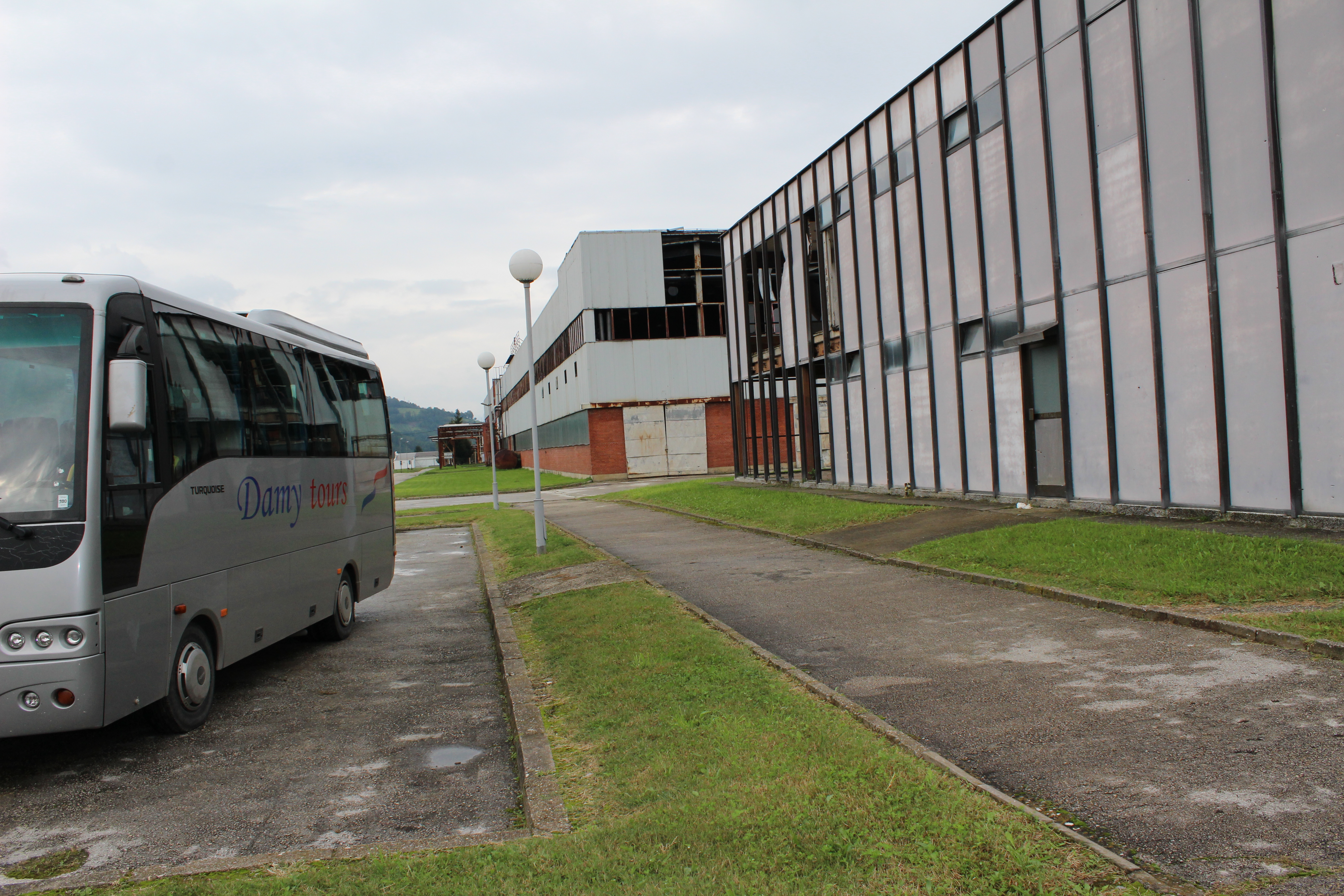

 The battery factory where the men and women were separated before the men were taken off to be slaughtered
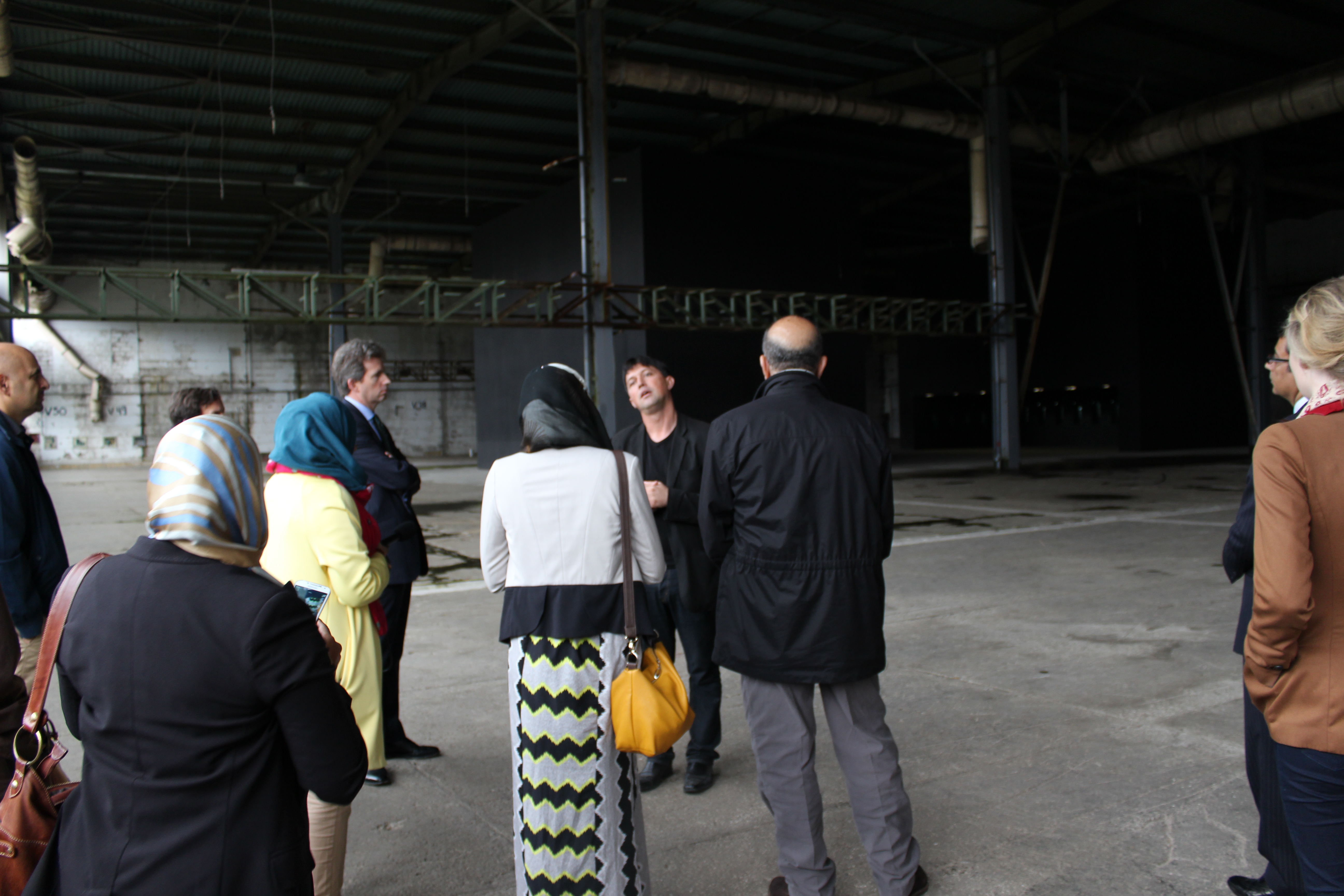 Inside the factory, a space widely recognised from the photograph showing 600 coffins of victims awaiting burial
 At the Residence of the Grand Mufti of Bosnia
The Church, the Synagogue and the Mosque all within a short space of each other in the old town of Sarajevo


And finally an opportunity to have a look at the sights and sounds of the city before our flight back home


 A Sarajevo Rose is a concrete scar caused by a mortar shell’s explosion that was later filled with red resin. Mortar rounds landing on concrete create a unique fragmentation pattern that looks almost floral in arrangement. Because Sarajevo was a site of intense urban warfare and suffered thousands of shell explosions during the Siege of Sarajevo, the marked concrete patterns are a unique feature to the city. Throughout the city, these spots mark where one or more deaths took place as a result of mortar attacks.
 “In 1914, war started in Sarajevo, Bosnia. In 1991 it started again”. This stones marks the spot where Archduke Francis Ferdinand was assassinated, triggering the start of World War 1Re
 Soulful Spaces
Wow! This could be one particular of the most beneficial blogs We’ve ever arrive across on this subject. Actually Magnificent. I’m also a specialist in this topic so I can understand your effort. Wini Tobit Mirabel
LikeLike