
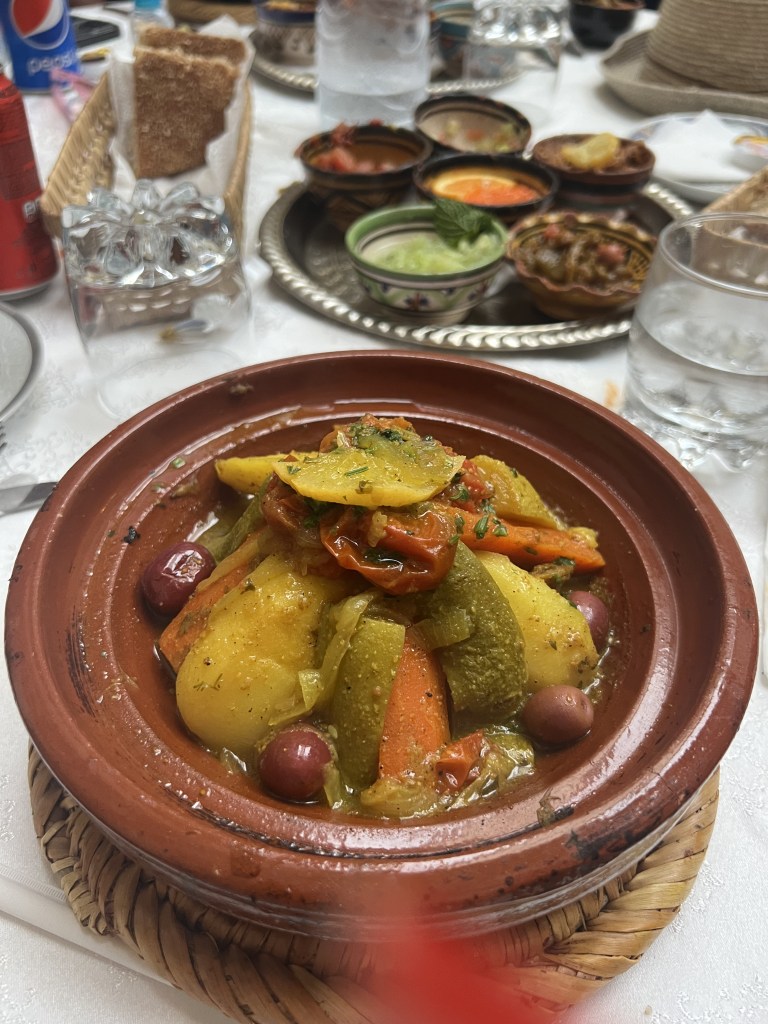
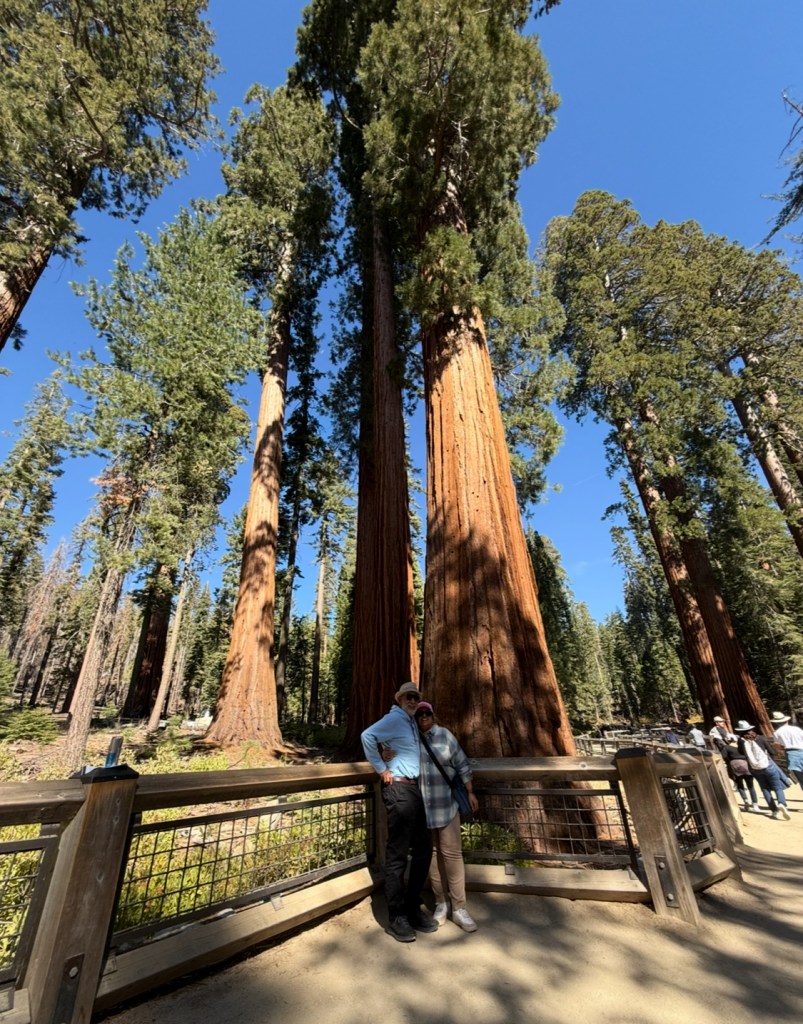
This year, I’ve been fortunate to journey to some truly remarkable places. I’ve marvelled at the timeless pyramids of Giza and prayed Salat-ul-Jummah in the awe-inspiring Sultan Hassan Mosque in Cairo. The vibrant, sapphire-blue waters of Rabat, framed by rugged cliffs and golden sands, were as enchanting as the tagines we savoured each evening. In Yosemite, the warm Californian sun seemed to magnify the divine presence as the towering sequoias reached toward the heavens. Everywhere I have been, I have been reminded of the boundless beauty of God’s creation. I understand that many may never have the chance to experience even a small part of these wonders, which makes each encounter all the more precious.


Every place I’ve visited has left me with cherished memories, but there is one that filled me with emotion so profoundly that I’ve longed to return since the moment I left. It feels especially fitting to reflect on this experience during Interfaith Week, a time when people from diverse faiths, beliefs, and spiritual paths have been coming together to discuss the importance of collaboration, mutual understanding, and sharing our vision for a just and compassionate world for all.
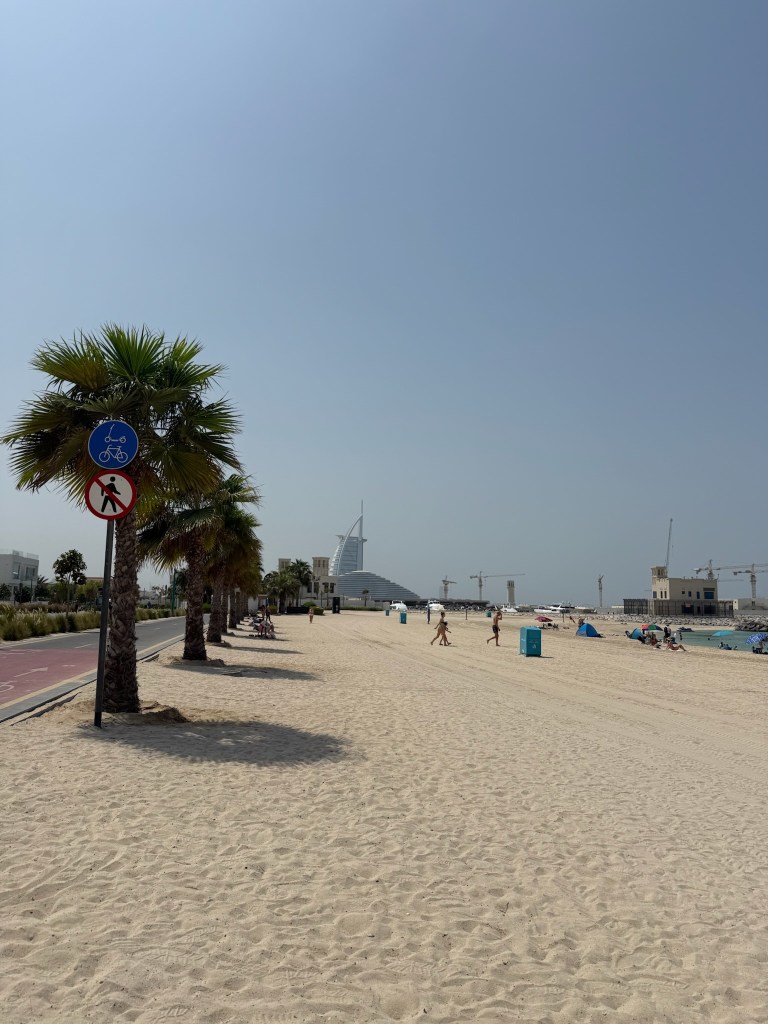
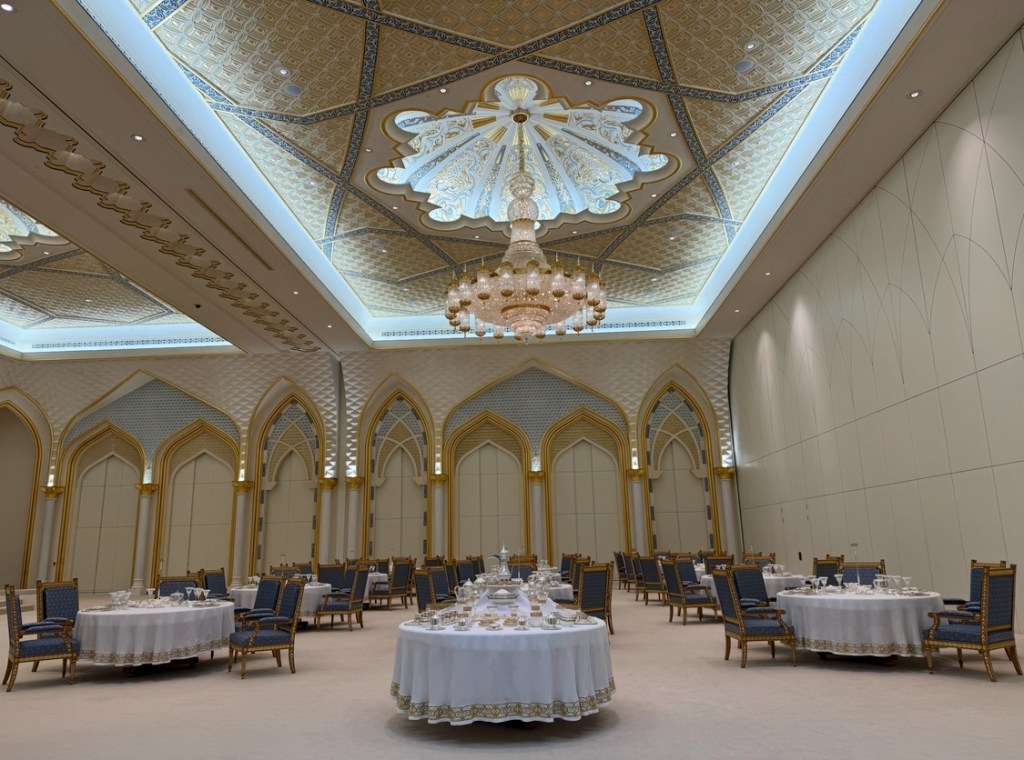
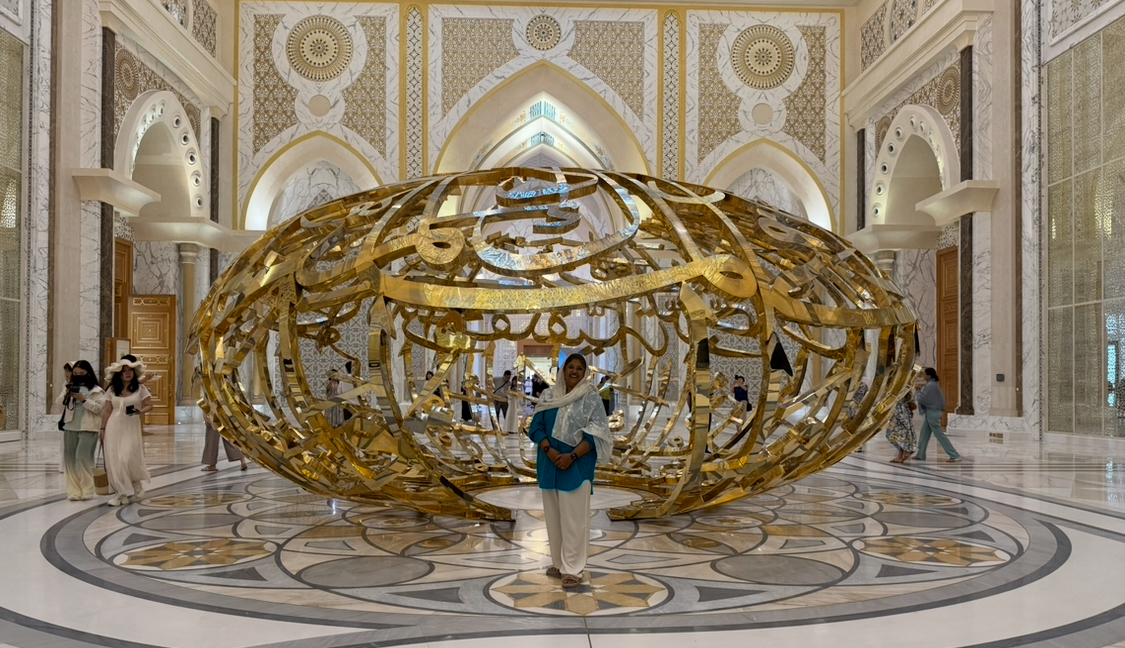
I hadn’t fully appreciated the range of places to explore until arriving in Abu Dhabi when I began researching things to see. Whilst Dubai is often everyone’s go-to destination, I found myself somewhat underwhelmed by it. Aside from the impressive aquarium in the mall, the city felt somewhat soulless, and I’m not sure it’s a place I’d return to anytime soon. However, the white sandy beaches were a sight to behold, though scorching hot under the intense rays of the sun. The grandeur of the Qasr Al Watan Palace was magnificent, but it was the regality of the Sheikh Zayed Mosque that took my breath away, leaving me wishing I had more time to simply sit, pray, and absorb the sacred surroundings of the mosque. I felt truly blessed to have performed not one, but two Salat-ul-Jummah prayers there—an experience I will always treasure.



But it was the Abrahamic Family House in Abu Dhabi that truly left me speechless. A stunning testament to the beauty of unity and diversity, it brings together three iconic places of worship—a mosque, a church, and a synagogue—within one tranquil architectural masterpiece. Places of worship—whether mosques, churches, temples, or synagogues—should serve as sanctuaries where all who enter, regardless of faith, religion on creed, experience a deep sense of peace and serenity. Few places have provided such profound calmness as this one. The Abrahamic Family House is not just a physical space, it stands as unique symbol of interfaith dialogue, unity, and understanding in a complex world. The buildings, white, graceful, and minimalist, use light and space to exude the feeling of stillness, respect, and profound peace.

Gazing at each structure, it is clear, though subtle, how the three religious traditions of Islam, Christianity, and Judaism are reflected in the designs, while their presence within the same grounds—just a stone’s throw apart—speak to our shared values of compassion, tolerance, and coexistence. The soaring arches, intricate carvings, and expansive halls, creates a reverential atmosphere, calling on visitors to connect with something greater than themselves. The ritual vibrations that resonate in the form of the azaan and chanting of sacred texts—reminds believers of the sacredness of the moment, fixing their attention on the here and now. Within the silence, carried on the gentle breeze, you can hear the soft whispers of collective prayer, where worshippers lay bare their souls in search of solace and inner peace, seeking to align their hearts with their faith.


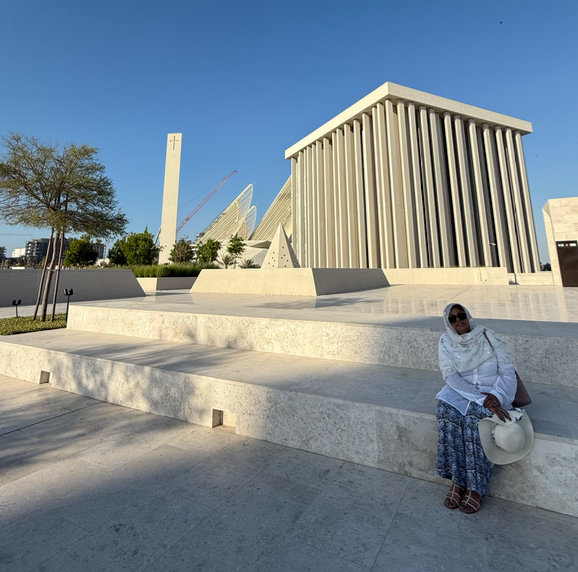
The lush gardens, serene walkways, and the quiet contemplation of both worshippers and visitors stand as an example of a world I long to witness: a world of hope, respect, compassion, and acceptance—where differences are celebrated, not feared. Above all, a world where there is justice for the oppressed, where no one lives in fear, poverty or hunger.
In a world often marred by turmoil, division, and conflict, interfaith dialogue and understanding are more important than ever. Our religious differences have historically been a source of tension and violence, but they also hold the potential to be a bridge to peace when approached with mutual respect and empathy. Initiatives like the Abrahamic Family House can promote the idea that, despite our diverse beliefs, we share human values of compassion, justice, kindness, and the pursuit of peace—values that transcend religious boundaries. By nurturing communication and cooperation between our different faith communities in this country, we can create spaces where people can come together to address common challenges, whether they be social injustice, poverty, or global crises. In a fragmented world, interfaith cooperation is a powerful tool for building a culture of peace and tolerance, with our near neighbours and those further away, reminding us that despite these differences, we are all part of the same global human family—and there is far more that unites us than divides us.

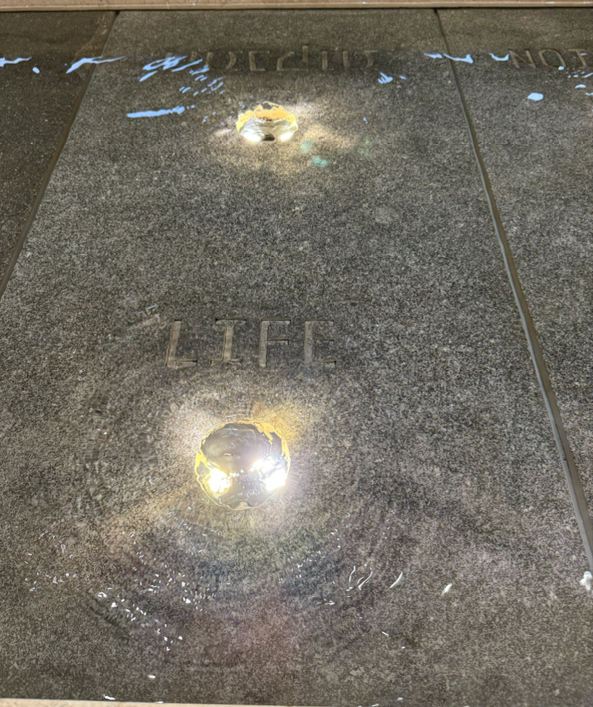


“But I am like a green olive tree in the house of God. I trust in the mercy of God for ever and ever”. (Psalms 52:8)
 Soulful Spaces