I woke up this morning in the early hours, 3:21 am to be exact, my chest tight with what felt like an asthma attack. But clearly wasn’t. As I fumbled for my inhaler in the darkness, my breath and anxiety steadied but not my thoughts.
I could think only of the nurse attacked in Halifax, right where I’ve walked. Halifax is where my husbands family live and work. His cousin, a district nurse, goes into people’s homes, wound dressing, medication management, offering reassurance, all without the safety of a hospital ward. During the pandemic, she worked in a hospital, risking exposure, caring for others while putting herself last.
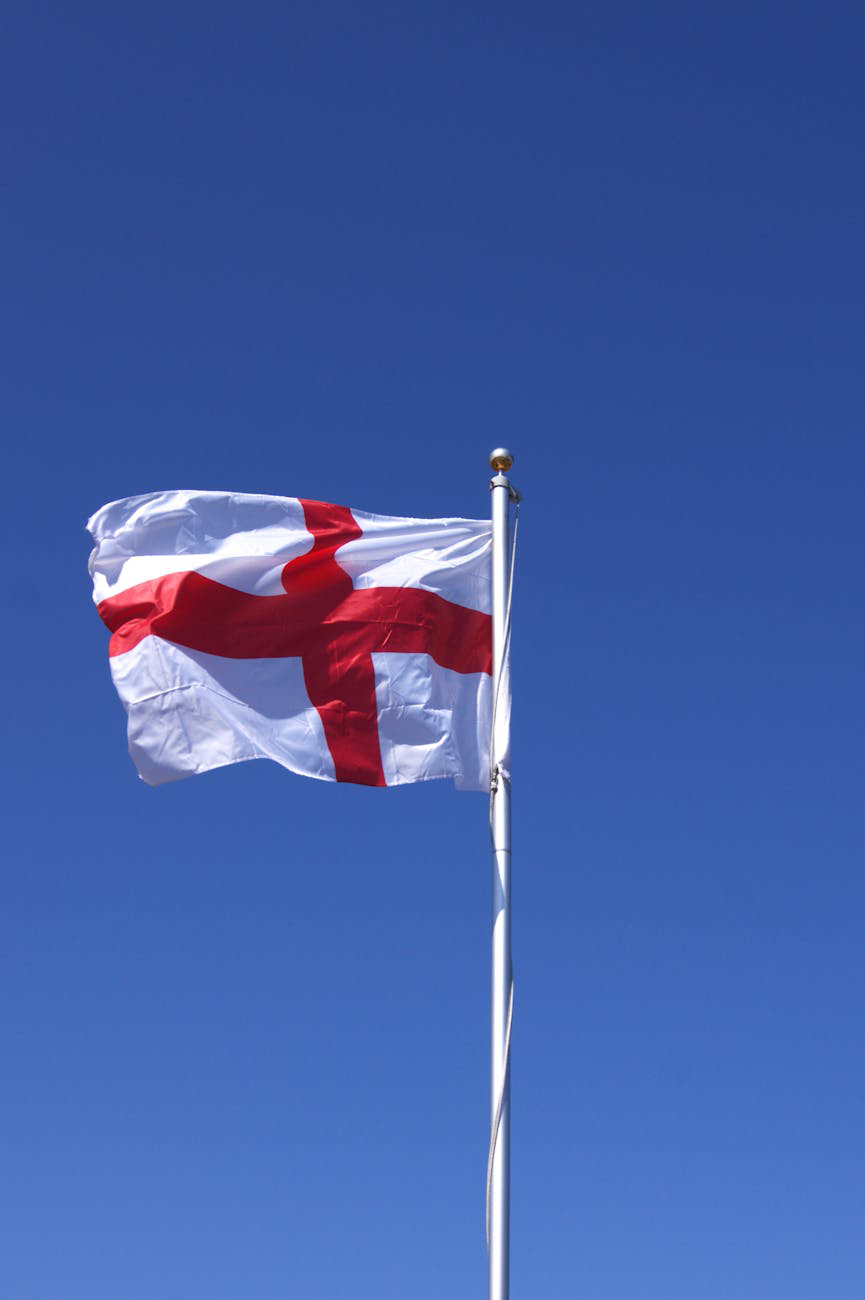
That the same compassion she lives by could be repaid with hate is chilling. And it’s not only the attack that unsettled me. It’s the symbols too, the cross of St. George strung from flyovers, flags on roundabouts, paint splashed across pavements and war memorials. Symbols should be just that – symbols of pride, of unity, of shared history. They should be treated with respect. They should lift us up, not be daubed underfoot to be stepped on, or twisted into emblems of division and exclusion.
I lay awake wondering: Who’s next? My 85 year old mother-in-law walking with her carers? Me, my husband, his nephews and nieces, all born and bred in Halifax, just living, yet feeling like outsiders, like suspects?
This isn’t just an isolated incident. It’s a climate of suspicion. Bigotry disguised in headlines. Politicians and pundits whipping up resentment about “the boats,” about refugees and asylum seekers supposedly living in luxury hotels with phones and iPads handed to them on arrival. It’s dehumanisation passed off as fact.
Let’s be clear: the reality is very different.
• As of March 2025, just over 32,000 asylum seekers were in hotel accommodation – down sharply from a peak of 56,000 in 2023. That’s around 30% of those in the asylum system. The rest are in cramped hostels, B&Bs, or temporary housing.
• These “hotels” are not the Holiday Inns or Marriotts some would have everyone believe. I’ve been inside a couple of them: unpleasant, overcrowded, barely adequate. Families packed into single rooms. No privacy, no dignity. They are holding pens, not holiday homes.
• Asylum seekers are not handed gadgets on arrival. There are no free iPads or phones. Most rely on cheap handsets, donated SIM cards, or community support to stay in touch with loved ones.
This isn’t luxury. It’s limbo. People waiting, often for years, in poor conditions, unable to work, stripped of agency – all while being vilified in the media and on our streets.
And here’s the bitter irony: the very people vilified and scapegoated in these debates are the ones holding the country together. They are our carers, our cleaners, our NHS staff, our drivers. District nurses like my husbands cousin step into strangers’ homes daily, caring for the vulnerable and forgotten, sometimes at the expense of their own families. They show up for everyone, no matter their politics, their faith, or the colour of their skin.
Yet in return, they are met with suspicion, abuse, or worse.
I’ve written before about my own experiences of racism growing up in Britain. As a child, I knew the sting of slurs, the feeling of being “othered” before I even understood the word. Decades later, the landscape looks eerily familiar. Only now, it feels sharper, less hidden, more brazen.
Racism isn’t just abhorrent – it corrodes communities, tears at the threads that hold us together. When hate is normalised, everyone loses. We should be able to walk through our local park without fear. We should be able to hang flags without them being co-opted as tools of exclusion. We should be able to speak our conscience without being vilified.
At 3:21 am, none of this felt abstract. It felt urgent. It felt raw. It felt like the country I’ve called home all my life is demanding, yet again, that I prove I belong.
But I do belong. We all do.
So I will keep challenging and calling out the bigots and the liars – loudly, firmly, and without apology.
 Soulful Spaces