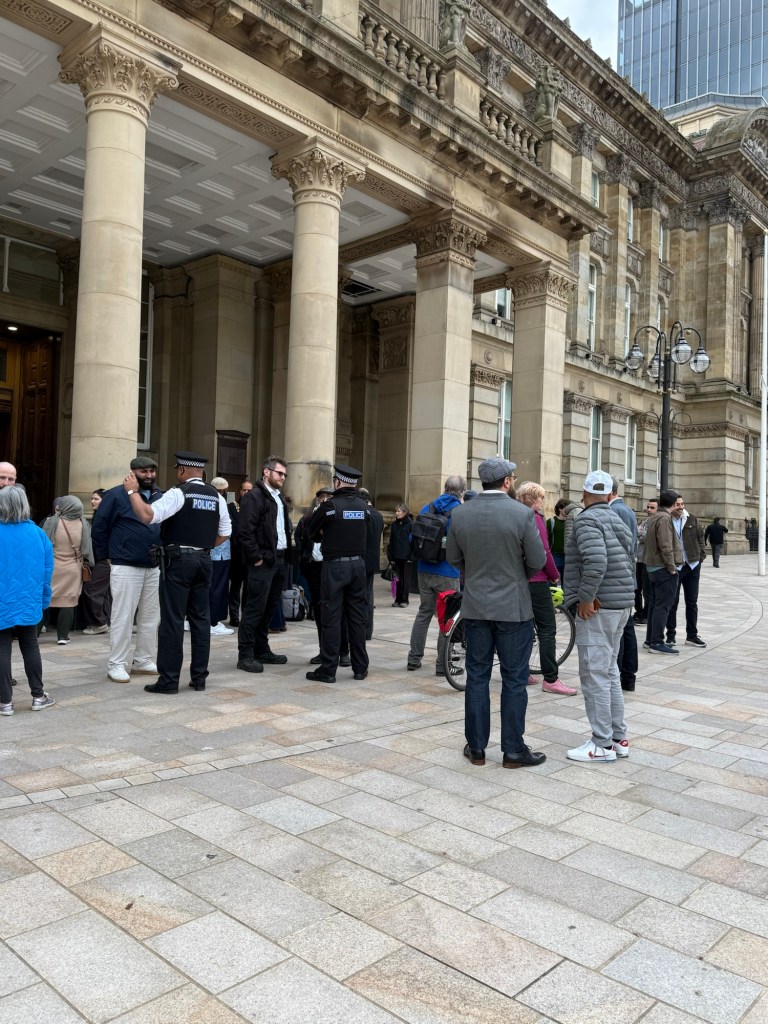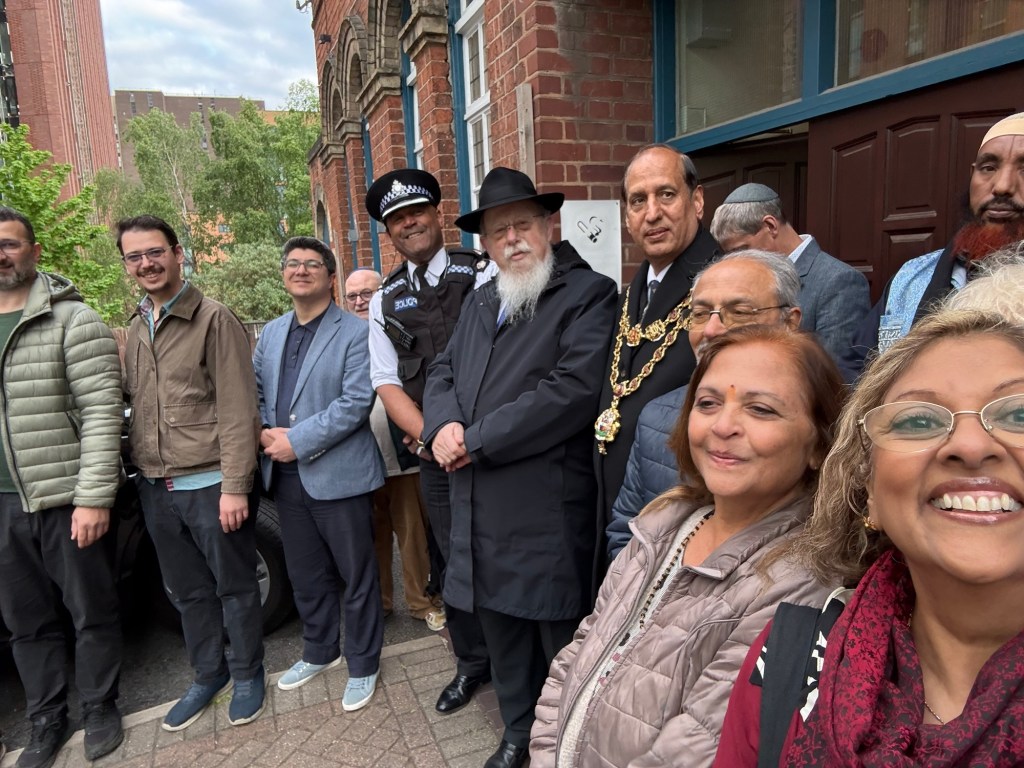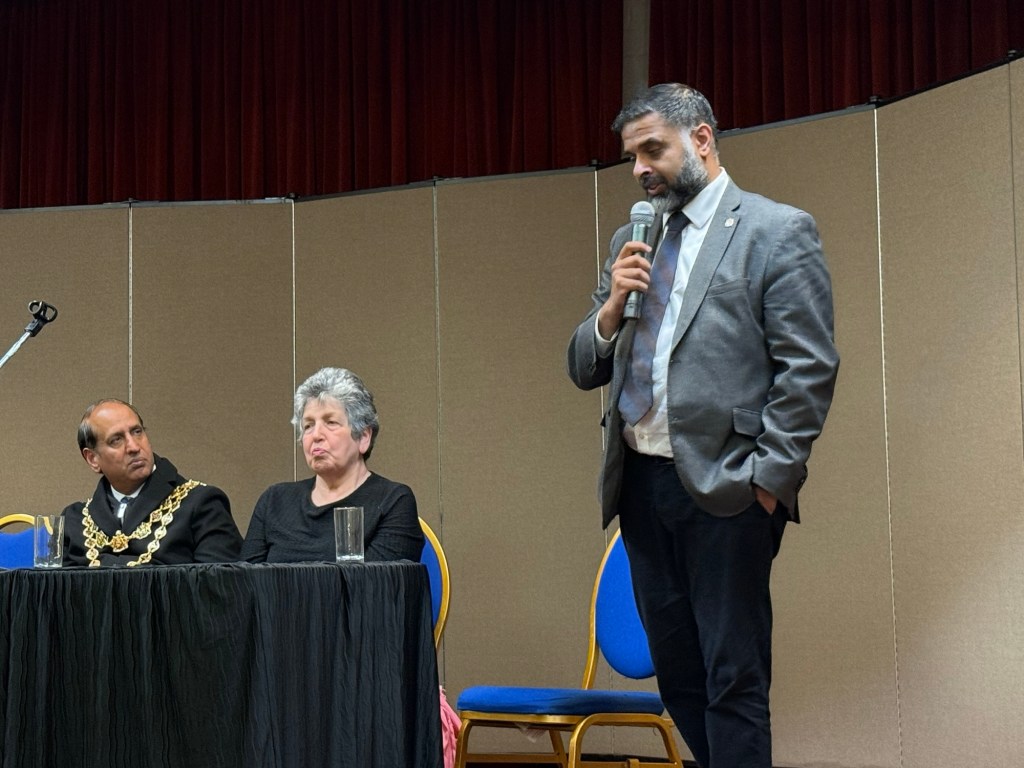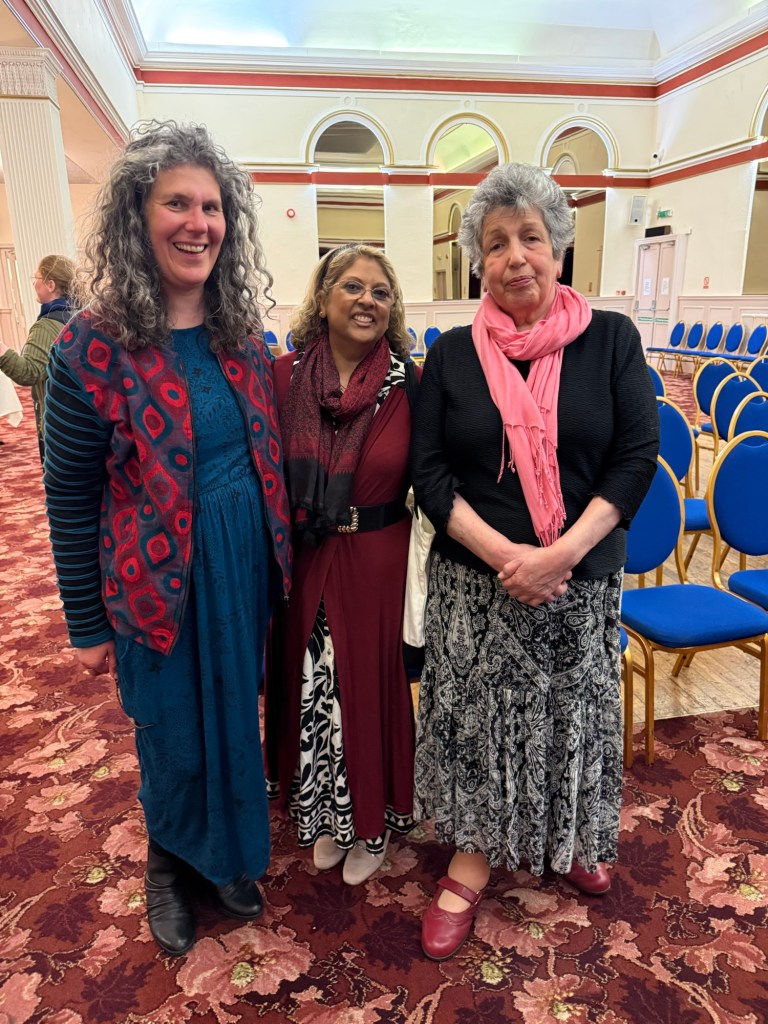
Yesterday evening, I joined a peace and faith walk in Birmingham following the horrific attack in Golders Green. Organised by the Lord Mayor, the walk ended at Singers Hill Synagogue and brought together people of different faiths and none in a shared stand against hatred and division.
I was asked to speak and reflected on something I believe deeply: that this walk was about far more than one incident. It was a reminder of who we are and who we refuse to become.
Living in Britain gives us one of the greatest gifts of all: democracy. We have the right to gather, to march and to speak out against injustice, war, violence and the failures of governments. Those freedoms matter deeply and should be protected.
But the right to protest is never the right to hate, intimidate or target innocent people because of their religion, race or identity. No political cause, no grievance and no international conflict gives anyone the right to make ordinary people feel unsafe in their own streets, places of worship or communities.
Peace walks like this matter because they are more than symbolic gestures. They are a form of witness. A way of saying that when one faith community is attacked, we all have a responsibility to stand together. Because solidarity is not a slogan. It is a responsibility.
There are moments in public life when silence feels easier. When people worry that speaking out will draw criticism, hostility or accusations from one side or another. But there are also moments when silence becomes dangerous because hatred grows strongest when good people decide it is “someone else’s problem”.
This walk mattered because it was a public act of solidarity. Not performative outrage. Not political point scoring. Simply ordinary people walking side by side to say: enough.
Anti-Semitism and anti-Muslim hatred are two sides of the same coin. Both thrive on fear. Both rely on stereotypes and dehumanisation. Both convince people that entire communities should somehow carry collective blame for world events they did not create and cannot control.
History repeatedly shows us where that road leads.
Faith walks and solidarity events will not solve everything overnight. But they matter because they reject the idea that communities must live in isolation from one another. They remind us that when one group is threatened, others will stand beside them.
What struck me most was not anger but humanity. People from different faiths and backgrounds walking together, talking to one another, sharing concern and refusing to allow extremists to define who we are as a society.
That matters.
Because the overwhelming majority of people in this country do not want division. They do not want neighbours turning against neighbours. They do not want children growing up fearful because of their religion or ethnicity. Most people still believe in decency, fairness and coexistence.
We should never underestimate the power of simply showing up for one another.
In times of tension, solidarity becomes an act of courage. In times of hatred, compassion becomes resistance. And in times where some seek to divide us into “us and them”, perhaps the most radical thing we can do is keep walking together.