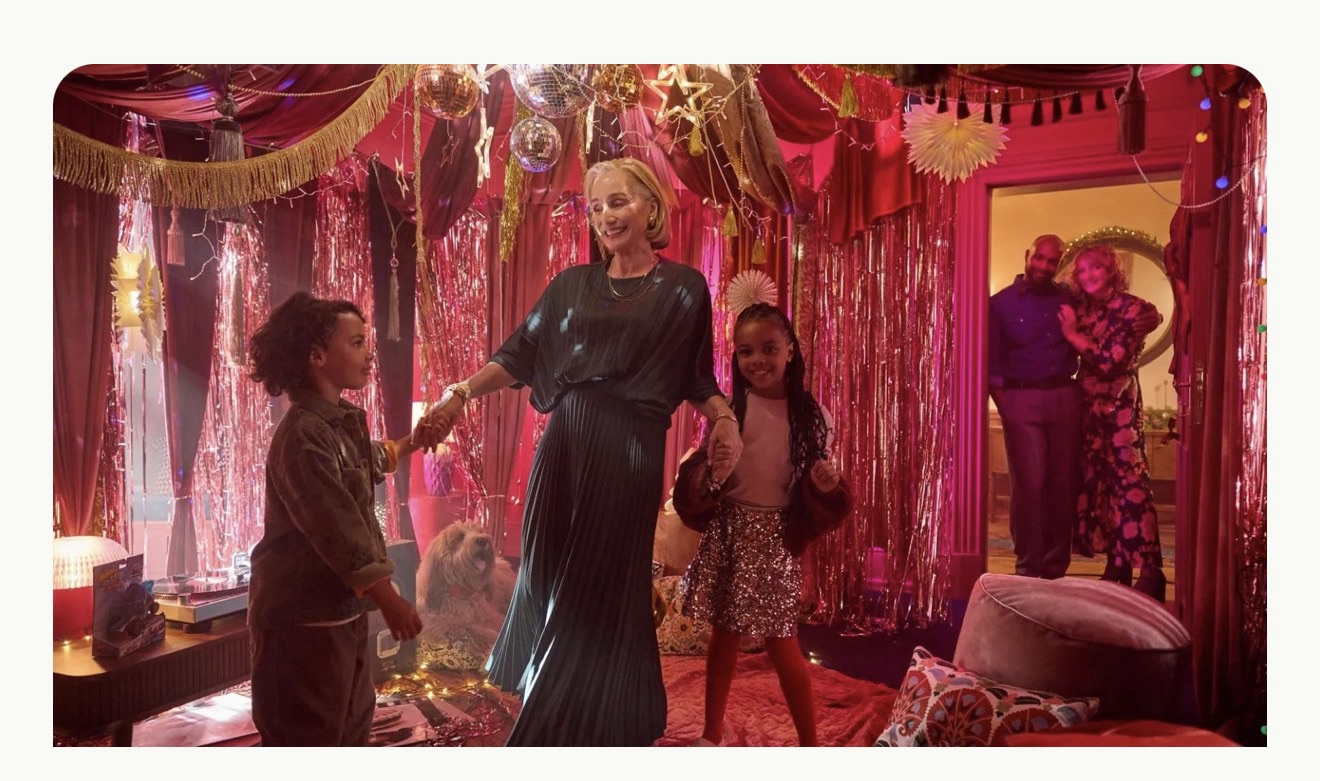
Anyone seen the John Lewis advert yet? No? Then honestly, don’t bother – unless you want to feel physically sick and question what sort of society we are becoming.
Let’s be clear: there is absolutely nothing wrong with giving or receiving presents. There is genuine joy in giving, in seeing someone’s face light up, in the thought and love behind a gift. But giving should come from the heart, not from expectation, obligation or competition. And receiving should be a pleasure, not an entitlement.
What troubles me is the message we are increasingly sending to families and, more importantly, to our children and grandchildren. That love is measured by the number of presents under the tree. That happiness comes in a shopping bag. That Christmas, Eid, Diwali, or any other celebration for that matter, is somehow a failure if we haven’t spent enough, bought enough or kept up with everyone else.
There are families struggling to afford the absolute basics: food, heating, rent and everyday essentials. Families who are already stretched to breaking point. And yet we live in a culture that piles on the pressure to spend money they simply don’t have, potentially pushing them into debt for one day of indulgence.
And for what? More things. More stuff. More unnecessary consumption. Toys and gadgets that will be forgotten, discarded or gathering dust within weeks. Things that will end up in landfill while families are still paying off the credit card bill.
We have created a society that never seems to have enough. There is always something bigger, newer, better or more expensive to want. We compete with the Joneses even when we cannot afford to pay our own bills. We have normalised living beyond our means, buying things to impress people and confusing material possessions with happiness.
And the consequences go beyond Christmas spending. We are surrounded by messages promising instant gratification, easy money and the chance of a quick win. Gambling is increasingly normalised and packaged as entertainment, encouraging people who may already be financially vulnerable to chase that elusive win. For some, that can become a devastating spiral into debt, anxiety and despair.
What happened to teaching children about gratitude? About appreciating what they have? About sharing, giving without expecting anything in return, showing kindness and perhaps most importantly, respecting people regardless of what they own or can afford?
What happened to teaching our children that the value of a person is not determined by the number of presents someone receives (think Dudley Dursley “Thirty-six?! But last year I had thirty-seven!”), the clothes they wear, the car they drive or the money in their bank account?
And what about respect for older people? The simple values of consideration, dignity, compassion and understanding that should be at the heart of how we raise our children.
We should be teaching children that sometimes the greatest gift is time, that a visit to someone who is lonely is worth more than the most expensive present, that helping someone who is struggling matters more than buying another unnecessary gadget.
There is joy in generosity. There is joy in sharing. There is joy in making someone feel loved. But there is no joy in financial pressure, no joy in indebtedness and certainly no joy in making people feel inadequate because they cannot afford to participate in an increasingly commercialised version of happiness.
Perhaps we need to stop asking what we can buy next and start asking what kind of human beings we are raising.
A society that teaches children to want everything but appreciate nothing is a society that needs to take a long, hard look at itself.
To John Lewis: well done. I hope you’re proud of yourselves. Because perhaps the conversation your advert has prompted is a much bigger one than you intended.

