This morning, at 11.00am I was driving home listening to the radio. As the country paused to remember, my thoughts turned to some of the people whose stories should be part of our national consciousness.
I found myself thinking about Noor Inayat Khan, a Muslim woman who served as a British secret agent in occupied France during the Second World War. She was captured, tortured and executed at Dachau concentration camp in 1944. Her courage and extraordinary sacrifice should never be forgotten.
I found myself remembering Khudadad Khan, a Muslim soldier from what is now Pakistan who, in 1914, became the first soldier of Indian origin to receive the Victoria Cross. Despite being wounded and seeing his fellow machine-gun crew killed, he continued fighting until his position was overrun.
And I thought about Lance Corporal Jabron Hashmi, the young British Muslim man from Birmingham who was killed serving with the British Army in July 2006, aged just 24.
Three names. Three extraordinary lives. Three different conflicts. Each a reminder that courage, service and sacrifice have never belonged to one faith, one community or one generation.
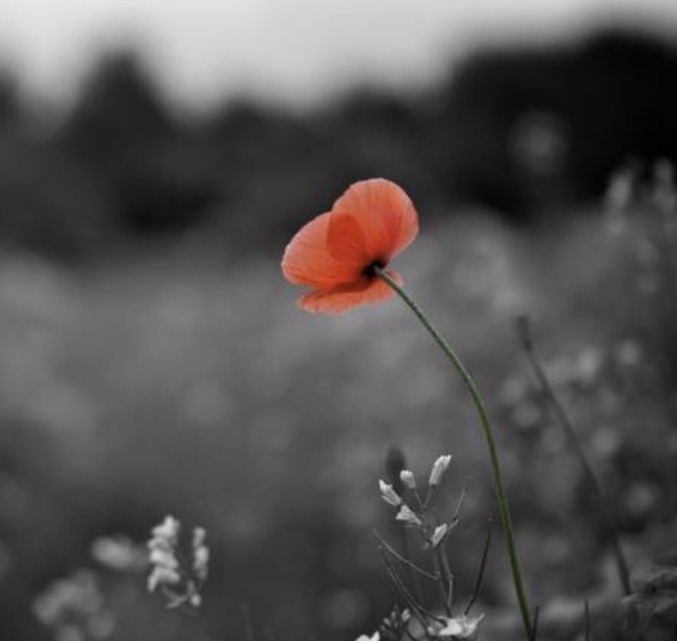
Every year, on 11 November, along with millions of others, I pause to remember those who made the ultimate sacrifice in two world wars and in conflicts since. We wear our poppies, observe the two-minute silence and pay tribute to the courage, service and sacrifice of generations who fought for freedoms that we too often take for granted.
But this year, with Remembrance Day falling during Inter Faith Week, I found myself asking a more uncomfortable question: have we really remembered what they fought for?
And perhaps more importantly, are we living by the values for which they sacrificed their lives?
The story of the world wars is often told through familiar images and familiar narratives. Yet the Allied forces were extraordinarily diverse.
Millions of people from across the Commonwealth and beyond served alongside one another. They came from different countries, cultures, religions and communities. They were Hindu, Muslim, Sikh, Christian and of many other beliefs. They came from Africa, the Caribbean, South Asia and across the world.
More than 1.3 million people from undivided India served during the First World War, including Hindus, Muslims and Sikhs. Approximately 74,000 lost their lives. During the Second World War, more than 2.5 million men from the Indian subcontinent volunteered to serve in the British Indian Army, making it the largest volunteer army in history. What exactly were they fighting for?
They did not all share the same faith, language, culture or experience. But they stood together in the face of a common threat. Their stories challenge any narrow understanding of who fought for Britain, who contributed to its freedoms and who belongs within its history.
Their contribution was immense. Their courage, sacrifice and suffering deserve to be remembered as an integral part of our shared history rather than a footnote to it.
Last year, in my blog, Lest We Forget: Reflections on Remembrance Day, I reflected on the relationship between my own heritage, identity and the history of those who served.
As someone whose heritage is rooted in Pakistan and whose identity is British and Muslim, remembrance is not an abstract historical exercise.
It is personal.
I have often reflected on the significance of wearing my Deputy Lieutenant’s badge alongside the poppy. For me, it represents belonging, service and responsibility. It is also a recognition that our national story is made up of many histories.
British identity has never been as narrow or as uniform as some would have us believe. Our history is richer because of our diversity and our freedoms were defended by people whose backgrounds were as varied as the communities we live alongside today.
There is something deeply troubling about commemorating those who fought against fascism, persecution and discrimination while witnessing the growth of hostility towards people because of their religion, ethnicity or identity today.
Antisemitism, Anti Muslim Hatred, racism and other forms of hatred are not isolated concerns. They threaten the dignity, safety and belonging of our communities.
Remembrance must be more than ceremony. It must be a commitment to challenge prejudice wherever we encounter it. To stand alongside communities experiencing hatred. To defend the dignity of others, even when their experiences are different from our own.
The freedoms we commemorate are not guaranteed simply because previous generations fought for them. They require our protection, our courage and our collective responsibility.
It feels particularly significant that Inter Faith Week and Remembrance come together this year.
Inter Faith Week offers an opportunity to recognise the contribution of people of different faiths and beliefs and to challenge misunderstanding. But interfaith work must be more than simply celebrating what makes us different. It should also encourage us to recognise our shared responsibilities.
It is about listening, building trust, creating meaningful relationships and having the courage to address difficult issues.
The men and women who served alongside one another in the world wars remind us that our differences need not divide us. We do not have to share the same beliefs to share a commitment to humanity, justice and peace.
Perhaps that is one of the most important lessons remembrance can offer us.
So, what must we remember?
We must remember the fallen and those whose contributions have too often been overlooked. We must remember the suffering of communities across the world and the generations whose lives were changed forever by war.
But we must also remember why they fought.
They fought against tyranny, persecution and the denial of human dignity. They fought for freedoms and values that should belong to everyone, regardless of faith, ethnicity or background.
As we observe Remembrance Day and mark Inter Faith Week, let us move beyond remembering the past as a ritual. Let us make remembrance an active expression of the society we want to build, lighting the way for a shared future
One where antisemitism, Islamophobia, racism and all forms of hatred are challenged rather than excused.
One where diversity is recognised as part of our shared national story rather than treated as a threat to it.
One where belonging is not conditional on someone’s background, religion or heritage.
And one where the sacrifices of previous generations are reflected in how we treat one another today.
Lest we forget. But let us also never forget what we fought for and what we must continue to stand for.

